
Food and Lifestyle
How Food Delivery Apps Are Changing Home Cooking Habits
Updated:
Key Highlights
- Food delivery apps have made ordering meals faster, easier, and more convenient than cooking from scratch.
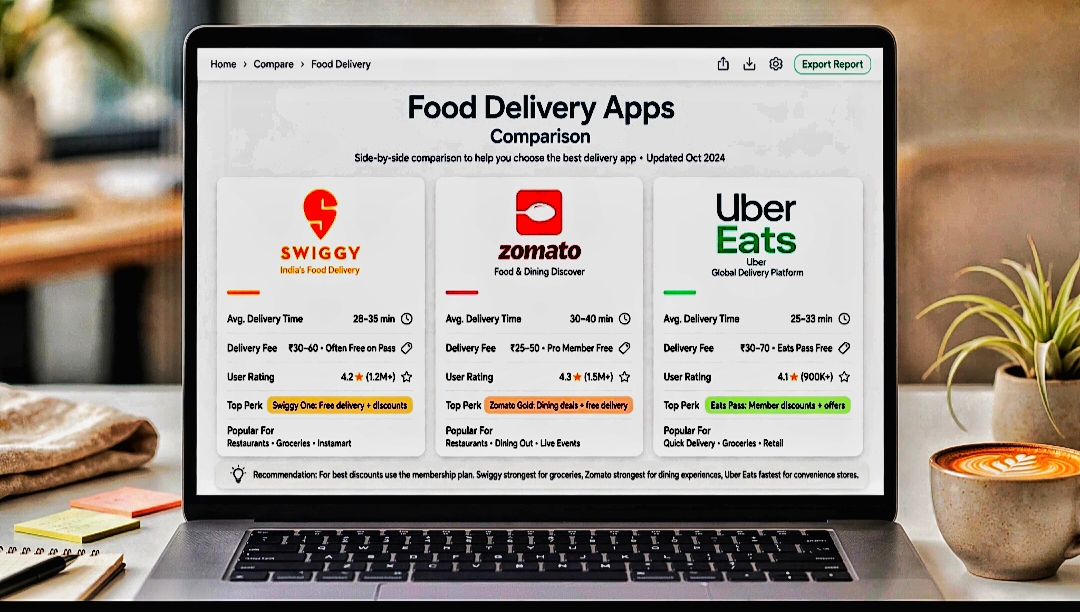
- Platforms such as Zomato, Swiggy, Uber Eats, and DoorDash allow users to order food in just a few taps.
- Busy professionals, students, young adults living alone, and families often use delivery apps to save time and avoid cooking-related work.
- Regular food delivery can reduce the motivation to plan meals, buy groceries, learn recipes, and cook at home.
- Many people, especially first-time independent adults, may not develop basic cooking skills when restaurant food is always easily available.
- Cooking skills improve through practice, mistakes, and experimentation, but frequent food ordering can interrupt this learning process.
- Ordering food every day can become expensive because of restaurant prices, delivery fees, packaging fees, platform charges, taxes, and tips.
- Home-cooked meals are often more affordable because one set of ingredients can provide multiple servings.
- Frequent ordering may make it harder to control the amount of oil, salt, sugar, calories, and portion size in meals.
- Home cooking gives people better control over ingredients and can support healthier eating habits.
- Food delivery apps are not entirely negative; they can be useful during busy schedules, late-night work, illness, travel, and special occasions.
- Delivery apps can introduce users to new cuisines and inspire them to recreate restaurant dishes at home.
- Many food platforms now offer grocery delivery and quick-commerce services, making it easier to order ingredients for home cooking.
- The best approach is balance: use delivery apps for convenience when needed, while continuing to prepare simple, affordable, and healthy meals at home.
- Home cooking remains an important life skill that can support better health, lower food spending, independence, and family connection.
𝑯𝒐𝒘 𝑭𝒐𝒐𝒅 𝑫𝒆𝒍𝒊𝒗𝒆𝒓𝒚 𝑨𝒑𝒑𝒔 𝑨𝒓𝒆 𝑪𝒉𝒂𝒏𝒈𝒊𝒏𝒈 𝑯𝒐𝒎𝒆 𝑪𝒐𝒐𝒌𝒊𝒏𝒈 𝑯𝒂𝒃𝒊𝒕𝒔:
Food delivery apps like(www.swiggy.com/ and www.zomato.com) have completely changed the way people order, prepare, and think about food. In the past, ordering dinner often meant looking through paper takeaway menus or calling a nearby restaurant. Today, people can open an app, browse hundreds of options, make a payment, and receive food at their doorstep within minutes.
While this convenience saves time and reduces the stress of cooking, it is also changing home cooking habits, especially among young adults, students, working professionals, and busy families.
𝑻𝒉𝒆 𝑹𝒊𝒔𝒆 𝒐𝒇 𝑪𝒐𝒏𝒗𝒆𝒏𝒊𝒆𝒏𝒄𝒆 𝑪𝒖𝒍𝒕𝒖𝒓𝒆:
The biggest reason people use food delivery apps is convenience. After a long day at work, college, or school, preparing a meal can feel exhausting. Food delivery apps make mealtimes easier by eliminating several time-consuming tasks, such as grocery shopping, meal planning, washing and chopping ingredients, cooking, and cleaning up afterward. With just a few taps, customers can order meals from their favorite restaurants and have them delivered directly to their doorstep.
For many people, deciding what to eat no longer begins with checking the kitchen or planning a meal. Instead, it starts with opening a food delivery app. With just a few taps, users can choose a meal, place an order, and have it delivered to their doorstep making ordering food feel easier than preparing a meal at home.
This convenience can be especially useful on busy days, during illness, while traveling, after working late, or when celebrating special occasions. However, when food delivery becomes a daily habit, cooking at home may gradually start to feel more difficult, time-consuming, or unnecessary.
𝑨𝒓𝒆 𝑷𝒆𝒐𝒑𝒍𝒆 𝑪𝒐𝒐𝒌𝒊𝒏𝒈 𝑳𝒆𝒔𝒔 𝒂𝒕 𝑯𝒐𝒎𝒆?
Food delivery apps may encourage some people to cook less often, particularly those who live alone, college students, and young professionals living in cities for the first time.
Many young adults may not have learned basic cooking skills, such as preparing rice and vegetables, planning meals, or using different spices. When restaurant meals are just a few taps away, there may be less motivation to develop these skills at home.
For example, instead of learning how to prepare dal, pasta, biryani, or a simple vegetable curry, someone may choose to order the same meal from a nearby restaurant. Over time, relying heavily on food delivery may reduce a person’s confidence in the kitchen and make home cooking feel more challenging.
𝑻𝒉𝒆 𝑰𝒎𝒑𝒂𝒄𝒕 𝒐𝒏 𝑪𝒐𝒐𝒌𝒊𝒏𝒈 𝑺𝒌𝒊𝒍𝒍𝒔:
Cooking is a skill that develops through regular practice. People learn by trying new recipes, making mistakes, adjusting Zest and improving with experience. A dish may be overcooked, too salty, or poorly prepared the first few times, but these mistakes are an important part of learning.
Food delivery apps can sometimes interrupt this learning process. When cooking feels difficult or a meal does not turn out as expected, it can be tempting to open an app and order food instead of trying again. Over time, frequent reliance on food delivery may reduce opportunities to practice cooking and make people less confident in the kitchen.
This does not mean food delivery apps are inherently negative. They can be valuable and convenient, especially for people with busy schedules or limited access to cooking facilities. The concern arises when convenience replaces the development of basic cooking skills—the ability to prepare simple, affordable, and nutritious meals at home.
𝑻𝒉𝒆 𝑪𝒐𝒔𝒕 𝒐𝒇 𝑶𝒓𝒅𝒆𝒓𝒊𝒏𝒈 𝑭𝒐𝒐𝒅 𝑹𝒆𝒈𝒖𝒍𝒂𝒓𝒍𝒚:
Ordering food can seem affordable at first, especially when food delivery apps offer discounts, coupons, and free-delivery deals. However, ordering regularly can become surprisingly expensive over time.
The total cost of a delivered meal can include the restaurant’s menu price, packaging charges, delivery fees, platform fees, taxes, and tips. In many cases, the same type of meal can be prepared at home for less money and may provide enough food for multiple servings.
As food delivery costs add up, some people are becoming more selective about when they order. Instead of using delivery apps every day, they may reserve them for weekends, celebrations, late-night cravings, or busy days when there is not enough time to cook.
𝑯𝒆𝒂𝒍𝒕𝒉 𝒂𝒏𝒅 𝑭𝒐𝒐𝒅 𝑪𝒉𝒐𝒊𝒄𝒆𝒔:
Food delivery apps offer a wide variety of choices, from healthy salads, protein bowls, and balanced meals to fast food, desserts, fried snacks, and calorie-dense dishes. Having so many options available can make it easier to choose what to eat, but frequent ordering may also make less nutritious foods more tempting.
When people rely heavily on restaurant meals, they may have less control over ingredients, cooking methods, oil, salt, sugar, portion sizes, and overall food quality. Cooking at home gives people greater control over what goes into their meals and makes it easier to adjust recipes to suit their dietary preferences and needs.
For people managing their weight or health conditions such as diabetes or high blood pressure, planning balanced meals at home can be helpful. However, food delivery apps can still be part of a balanced lifestyle when users make mindful choices, select nutritious options, and avoid relying on restaurant food for every meal.
𝑭𝒊𝒏𝒅𝒊𝒏𝒈 𝒂 𝑯𝒆𝒂𝒍𝒕𝒉𝒚 𝑩𝒂𝒍𝒂𝒏𝒄𝒆:
Food delivery apps are not likely to disappear. They have become a regular part of modern life because they offer speed, variety, and convenience. The goal is not to stop using them completely, but to use them in a balanced way.
People can save money and improve health by planning simple meals, keeping basic ingredients at home, learning a few easy recipes, and limiting food delivery to occasional use. Preparing even two or three home-cooked meals each week can help build confidence and reduce dependence on ordering food.
Food delivery is useful when time is limited, but cooking remains an important life skill. Home-cooked meals can be healthier, more affordable, and more personal than restaurant orders.
Comments
No comments yet.
Leave a Comment